
The BRRR Method
Buy, Rehab, Rent, Refinance, Repeat. It's how investors turn one pile of capital into a portfolio, by forcing appreciation instead of waiting for it.
The five steps
B: Buy below market
You purchase a distressed or undervalued property: one that needs work, from a motivated seller, or that's been sitting (in today's Nashville market, with ~22% of listings taking price cuts, these are easier to find than they were in 2021). The deal only works if you buy right; everything downstream depends on it.
R: Rehab strategically
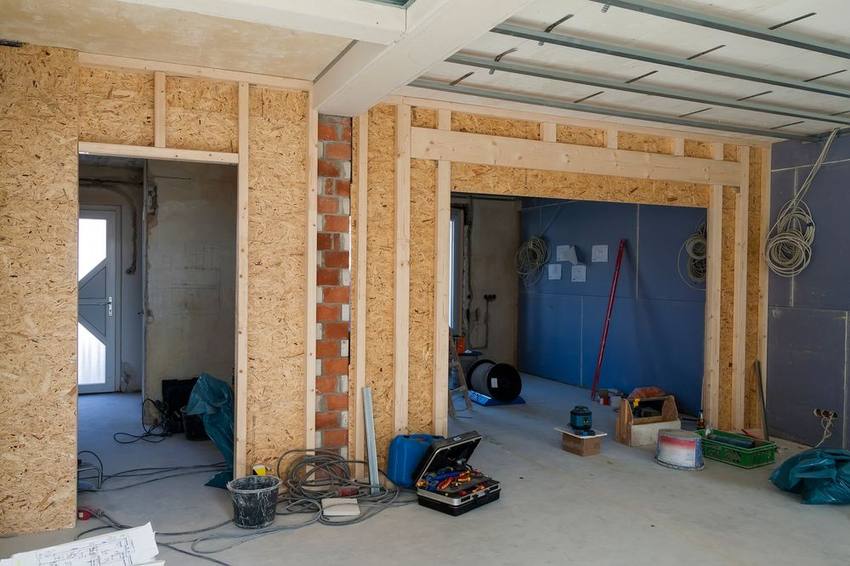
Renovate to raise the property's value. Not to your personal taste, but to what appraisers and renters reward: kitchens, bathrooms, flooring, curb appeal, and mechanicals. Every dollar should target forced appreciation: value you create, not value you hope the market gives you.
R: Rent it out
Place a qualified tenant at market rent. The property now has documented income, which is exactly what a lender wants to see in the next step. Screen carefully. A bad tenant costs more than a month of vacancy.
R: Refinance
After the rehab, the property appraises higher. You refinance into a long-term loan based on the new value, pulling most (ideally all) of your original cash back out. That recovered capital becomes the down payment for the next property.
R: Repeat
Take the refinanced cash and do it again. One $80,000 pile of capital, recycled properly, can control several hundred thousand dollars of real estate over a few years.
An illustrative example
BRRR on paper
- Buy: distressed single-family home for $240,000 (cash or hard-money loan)
- Rehab: $50,000 in renovations → total invested: $290,000
- Rent: leased at $2,100/month
- Refinance: new appraisal comes in at $360,000; a 75% cash-out refinance = $270,000 loan → you recover $270,000 of your $290,000
- Result: you own a cash-flowing rental with only ~$20,000 left in the deal, capital freed up to repeat
The magic: the $70,000 in created equity ($360K value − $290K invested) came from the rehab, not from waiting on the market.
What can go wrong
- The appraisal disappoints. If the after-repair value comes in low, you can't pull your cash out. Your capital stays trapped. Conservative ARV estimates are everything.
- Renovation overruns. Contractors run late, surprises hide behind walls. Budget a 10–15% contingency and get multiple bids.
- Rates move against you. Refinancing at 7%+ changes the math versus the 3–4% era. Run your refinance numbers at today's rates, not hoped-for ones.
- You're a landlord now. Or you're paying a manager 8–10% of rent. Either way, budget for it. See the cash-flow guide.
Why Nashville's cooling market changes the math: in 2021, investors BRRR'd on appreciation tailwinds. Everything went up. In 2026, the tailwind is gone, which actually favors BRRR: motivated sellers, price cuts, and time to negotiate mean buying right is more achievable. But your refinance appraisal has to be honest, not hopeful.
Keep learning
Educational content only, not financial, legal, or tax advice. The example is purely illustrative, not a real deal or a guarantee of returns. Real estate investing involves risk, including loss of capital.
Want to analyze a real BRRR deal together?
Bring a property. I'll bring the spreadsheet mindset. Free, no pressure.
Talk to Ana